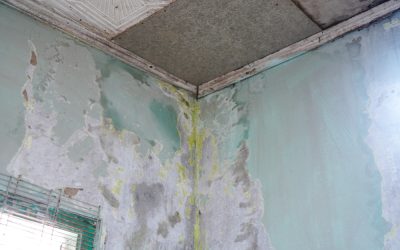
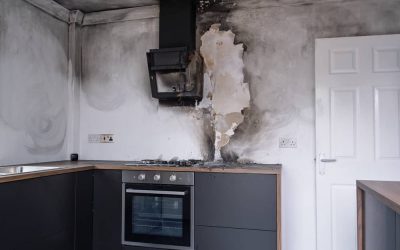
A house fire changes everything in a matter of minutes, even when the flames themselves only touch one room. Smoke travels through ductwork, soot settles into fabric and drywall, and the water used to put the fire out soaks into floors and walls long after the fire department leaves. If you’re searching for fire damage restoration Rochester homeowners can actually rely on, you’re probably standing in your kitchen or living room right now, trying to figure out what to touch, what to save, and who to call first.
This guide walks through exactly what to do in the hours, days, and weeks after a fire, so you can protect your family, your property, and your insurance claim.
Why Fast Action Matters After a Fire
Fire damage doesn’t stop once the flames are out. Acidic soot continues to corrode metal surfaces, discolor plastics, and etch into glass for days afterward. Lingering moisture from firefighting efforts creates ideal conditions for mold within 24 to 48 hours. The longer restoration is delayed, the more it typically costs to repair.
That’s why the first steps you take matter almost as much as the fire response itself.
The First 24 Hours: What to Do Immediately After a Fire
1. Confirm It’s Safe to Re-Enter
Don’t go back inside until the fire department gives the official all-clear. Structural damage, weakened floors, and compromised electrical systems can make a home dangerous even after the fire is out.
2. Contact Your Insurance Company
Call your insurance provider as soon as possible to open a claim. Ask about:
- Coverage for temporary housing (loss of use)
- Board-up and tarping services to prevent further damage
- Whether your policy requires you to use an approved restoration vendor
3. Secure the Property
Broken windows, damaged roofing, and open doors invite weather damage, theft, and pests. Most restoration companies offer 24/7 emergency board-up and roof tarping as a first response, often before the full cleanup begins.
4. Document Everything Before Cleanup Starts
Photograph and video every affected room before anything is moved, cleaned, or thrown away. This documentation becomes essential when negotiating with your insurance adjuster later.
5. Avoid DIY Cleaning of Soot and Smoke Residue
It’s tempting to start wiping down walls right away, but household cleaners often smear soot deeper into surfaces and can cause permanent staining. Fabrics, upholstery, and electronics exposed to smoke also carry health risks if handled without proper protective equipment.
Understanding the Fire Damage Restoration Process
Professional restoration follows a structured sequence designed to stop ongoing damage first, then rebuild.
| Stage | What Happens | Typical Timeframe |
| Emergency response | Board-up, tarping, water extraction | Within hours of the call |
| Assessment | Inspection of structural, smoke, and water damage | Day 1–2 |
| Water removal & drying | Extraction and industrial dehumidification | Days 1–5 |
| Soot & smoke removal | Cleaning of walls, ceilings, and HVAC systems | Days 3–10 |
| Odor removal | Thermal fogging, ozone, or hydroxyl treatment | Days 5–12 |
| Content cleaning | Restoring furniture, textiles, and personal items | Ongoing |
| Reconstruction | Repairing drywall, flooring, framing, and finishes | Weeks to months |
Smoke and Soot Removal
Not all soot is the same. Dry soot from paper or wood fires wipes away more easily, while wet soot from smoldering fires and synthetic materials is sticky, smeary, and far more difficult to remove without specialized equipment and cleaning agents.
Odor Neutralization
Smoke odor lingers in porous materials — drywall, insulation, carpet padding — long after visible soot is gone. Restoration professionals in Rochester typically use thermal fogging or hydroxyl generators to neutralize odor at a molecular level rather than simply masking it.
Water Damage From Firefighting Efforts
It’s easy to overlook, but water damage is often the second major issue after a fire. Standing water needs to be extracted within 24 to 48 hours to prevent mold growth, and structural materials need to be dried using commercial-grade dehumidifiers and air movers.
Common Mistakes Homeowners Make After a Fire
- Turning on the HVAC system before it’s cleaned, which spreads soot through every room
- Throwing away damaged items before documenting them for insurance
- Opening windows and doors unnecessarily, which can fuel any remaining hot spots
- Delaying professional cleanup, allowing smoke odor to set permanently into porous materials
- Assuming homeowners insurance covers everything, without confirming what’s excluded
How Rochester’s Climate Affects Fire and Water Damage Recovery
Rochester’s humid summers and freezing winters both create added challenges after a fire. Humidity accelerates mold growth in water-soaked materials, while winter conditions can freeze standing water in pipes or crawl spaces before it’s fully extracted. Local restoration professionals in Rochester who understand these seasonal patterns are better equipped to sequence drying and repair work correctly the first time.
Choosing Restoration Professionals in Rochester
Not every contractor is equipped to handle the full scope of fire damage. When evaluating restoration professionals in Rochester, look for:
- 24/7 emergency response for board-up and water extraction
- IICRC certification in fire and smoke restoration
- Direct insurance billing experience to simplify the claims process
- In-house content cleaning rather than outsourcing personal belongings
- Local references from other Rochester or Monroe County homeowners
A qualified team should be able to walk you through the entire restoration timeline before work begins, including what’s covered by insurance and what falls outside your policy.
Working With Your Insurance Adjuster
Insurance adjusters assess damage based on documented evidence, not verbal descriptions. Before your adjuster visits:
- Keep a written inventory of damaged items, including approximate age and value
- Save receipts for any emergency repairs or temporary lodging
- Request a copy of the restoration company’s damage assessment report
- Ask your adjuster directly what documentation they still need
Many fire damage restoration Rochester companies work directly with insurance carriers and can provide the itemized estimates adjusters require, which often speeds up claim approval.
Moving Forward After a Fire
Recovering from a house fire is overwhelming, but you don’t have to figure out every step alone. Acting quickly, documenting the damage thoroughly, and bringing in experienced restoration professionals in Rochester can make the difference between a smooth recovery and months of ongoing issues.
If your home has recently experienced fire damage, FLH Restorations offers 24/7 emergency response and direct insurance coordination to help Rochester homeowners get back to normal as quickly as possible. Reach out for a damage assessment before you make any decisions about cleanup or repairs.
Frequently Asked Questions
How soon after a fire should restoration begin?
Restoration should begin within 24 to 48 hours whenever possible. Soot becomes more corrosive over time, and any water used to extinguish the fire can lead to mold growth if it isn't extracted quickly.
Is smoke damage covered by homeowners insurance?
Most standard homeowners insurance policies cover smoke and fire damage, including cleanup, repairs, and temporary housing. Coverage details vary by policy, so it's worth confirming specifics with your provider before restoration begins.
Can smoke smell be completely removed from a home?
Yes, in most cases. Techniques like thermal fogging, ozone treatment, and hydroxyl generators neutralize smoke odor at the source rather than covering it up, though severely affected porous materials like carpet padding or insulation sometimes need to be replaced entirely.
What's the difference between fire damage and smoke damage restoration?
Fire damage restoration addresses structural damage, charring, and burned materials, while smoke damage restoration focuses on soot removal, odor neutralization, and cleaning surfaces and belongings affected by smoke exposure. Most fires require both.
Do I need to move out of my home during fire damage restoration?
It depends on the extent of the damage. Homes with significant structural, electrical, or air quality issues typically require temporary relocation, while homes with damage limited to one area may allow residents to stay in unaffected rooms.
How much does fire damage restoration cost in Rochester?
Costs vary widely based on the size of the fire, the extent of smoke and water damage, and whether structural repairs are needed. Many homeowners insurance policies cover the majority of restoration costs after the deductible.