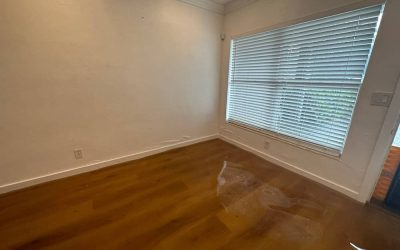
If you’ve noticed a musty smell or sudden allergy symptoms this winter, you aren’t alone. Understanding why winter moisture triggers these issues is the first step toward protecting your property and your health.
The Science of Winter Condensation: A Recipe for Mold
The primary driver of winter mold is condensation. Think about what happens when you pour a glass of ice water on a hot day; the outside of the glass “sweats.” In the winter, your home does the same thing, just in reverse.
When warm, moist air from cooking, showering, or even breathing hits a cold surface—like a window pane or an exterior-facing wall—it reaches its “dew point.” This causes water droplets to form. If this moisture isn’t addressed, it seeps into drywall, wood framing, and insulation, providing the exact environment mold spores need to colonize.
Why Inadequate Ventilation Worsens Indoor Problems
In our effort to make homes energy-efficient, we often seal them too tightly. While weatherstripping and high-quality windows keep the cold out, they also trap indoor humidity. Without proper ventilation, moisture has nowhere to go.
- Attic Issues: If your attic isn’t properly vented, warm air from your living space rises and meets the freezing underside of your roof deck. This leads to “frosting” that melts and creates a chronic damp environment.
- Bathrooms & Kitchens: If fans aren’t used or aren’t vented to the outside, steam lingers long enough to trigger mold growth on ceilings and in corners.
Common Hiding Spots for Winter Mold
Unlike summer mold, which often appears in obvious damp spots like a flooded basement, winter mold prefers to hide. Our team at FLH Restorations often finds hidden growth in:
- Behind Large Furniture: Pieces pushed against exterior walls prevent airflow, allowing condensation to build up unseen.
- Inside Closets: Especially those on the perimeter of the house that don’t receive much heat.
- The Base of Windows: Where condensation drips down and soaks into the wooden trim or drywall.
- Attic Insulation: Often hidden under floorboards where roof leaks or condensation have pooled.
The Necessity of Professional Mold Removal Solutions
Many homeowners attempt to spray bleach on a visible spot and call it a day. Unfortunately, bleach often only kills surface mold while the “roots” (hyphae) remain embedded in porous materials. Furthermore, if you don’t address the underlying moisture issue, the mold will return.
At FLH Restorations, we provide comprehensive mold removal solutions that go beyond surface cleaning. We use industrial-grade dehumidifiers, HEPA air scrubbers, and specialized antimicrobial treatments to ensure that spores are contained and the environment is returned to a safe state. We don’t just remove the mold; we help you identify the source of the moisture to prevent a recurrence.
When to Call for Emergency Restoration Services
Mold growth is often the secondary symptom of a larger problem, such as a burst pipe or an ice dam on your roof. When water enters your home unexpectedly during a winter storm, time is of the essence. You have a window of roughly 24 to 48 hours before mold begins to colonize.
If you experience a sudden water intrusion, you need emergency restoration services immediately. Our team is equipped to handle rapid water extraction and structural drying, preventing the “hidden mold” nightmare before it even begins. Dealing with a flood or leak in sub-zero temperatures requires specialized equipment to prevent pipes from freezing further while the drying process occurs.
Trust the Professionals at FLH Restorations
Don’t let your home’s indoor air quality suffer this season. If you suspect you have a moisture problem or have spotted the tell-tale signs of dark spots and musty odors, act now. Our experts are trained to navigate the specific challenges that Rochester winters bring to residential and commercial properties.
For reliable assistance and to see why we are the top-rated choice for restoration near me, visit our business profile or contact us directly. We are here to help you breathe easier and keep your home structural sound.