Rain pounds Rochester basements every spring. Snowmelt surges through floor drains. The sump pump clicks once, then stops. Water rises across the concrete. Homeowners grab buckets or towels. The damage spreads faster than most expect. Sump pump failures can occur during power outages, clogged discharge lines, float switch jams, or simple motor burnout. This guide covers homeowner first steps, professional response triggers, and why water damage restoration services matter when drying goes beyond surface cleanup. Commercial cleaning services support content recovery after extraction. FLH Restorations responds 24/7 across Monroe County with lifetime warranties on every project.
1. Check the power and water source first
- Flip the basement GFCI breaker off immediately if water touches outlets or cords. Wet electricity shocks without warning.
- Locate the sump pump shutoff valve or main water line. Turn both clockwise until resistance stops.
- Test the float switch by hand. Stuck floats cause 60 percent of failures. Clear debris around the pump pit.
2. Document before water damage restoration services arrive
- Snap timestamped photos of water levels, affected walls, soggy boxes, and the basement layout from three angles.
- Note the time flooding started, weather conditions, and any power outage details for insurance records.
- FLH Restorations uses Xactimate software matching insurer systems, so homeowner photos speed claim approval.
3. Call professionals within 60 minutes
- Truck-mounted extractors pull 100 gallons per hour vs household wet vacs at 10 gallons. Speed saves subfloors.
- Moisture meters map saturation behind drywall where homeowners cannot see. Category 2 water grows bacteria in 24 hours.
- FLH teams arrive within the hour across Greece, Irondequoit, Henrietta, and Rochester proper.
4. Understand the drying timeline
- Air movers circulate 2000 CFM to evaporate trapped moisture from carpet padding and wall cavities.
- Commercial dehumidifiers condense 70 pints daily from structural materials. Household units handle 20 pints max.
- Technicians test every 24 hours using thermal imaging until moisture drops below 15 percent. Drying takes 3-5 days.
5. Spot hidden mold growth risks
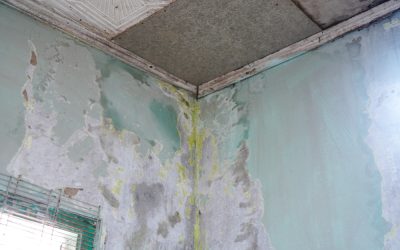
- Musty odors signal saturation behind baseboards where black mold colonies form within 48 hours.
- Warped hardwood edges or soft drywall corners show moisture pockets that restorers must cut out completely.
- Antimicrobial treatments during drying block colony formation. FLH applies hospital-grade EPA-registered solutions.
6. Plan content recovery and rebuild
- Commercial cleaning services pack out salvageable rugs, curtains, and furniture for off-site thermal drying chambers.
- HEPA vacuums capture airborne contaminants from HVAC returns before mold spores spread upstairs.
- Reconstruction removes ruined drywall to studs, installs vapor barriers, and resets electrical boxes to code.
7. Verify systems before final sign-off
- Technicians test battery backups, float switches, check valves, and discharge lines under simulated load.
- Final air quality scans confirm VOC levels drop below OSHA thresholds throughout the space.
- FLH Restorations provides drying logs, moisture readings, and lifetime warranty paperwork at the walkthrough.
Warning signs restoration missed
- Recurring damp spots after rain
- Unexplained water bill spikes
- Baseboard paint bubbling
- Musty smells with normal humidity
- Soft subflooring under carpet edges
Call Feels Like Home Restorations LLC
At Feels Like Home Restorations LLC, we answer Rochester water damage restoration calls 24/7 with IICRC-certified technicians and commercial-grade equipment. Sump pump failures demand speed. We extract Category 1-3 water, map moisture behind walls, dry structures to 15 percent, apply antimicrobial treatments, and rebuild basements stronger than before. Insurance companies recognize our Xactimate documentation process. Every project carries our lifetime warranty. Call us at 585-737-3052 when Lake Ontario storms hit Greece, snowmelt floods Irondequoit basements, or burst pipes soak Henrietta homes. We protect structures, salvage contents, and restore families to dry spaces fast.
Frequently Asked Questions
What causes a sump pump to fail during heavy rain or snowmelt?
Sump pump failures are commonly caused by power outages, clogged discharge lines, stuck float switches, or motor burnout. A jammed float switch alone accounts for a large percentage of failures.
What should I do immediately if my basement starts flooding?
First, turn off electricity to the basement if water is near outlets. Then shut off the sump pump and main water line. Check the float switch for blockages and remove any debris around the pump pit.
When should I call a water damage restoration professional?
You should call professionals within 60 minutes of flooding. Quick response helps prevent structural damage and mold growth, especially since contaminated water can develop bacteria within 24 hours.
How long does it take to fully dry a flooded basement?
Drying typically takes 3–5 days, depending on the extent of water damage. Professionals use high-powered air movers, dehumidifiers, and moisture detection tools to ensure complete drying.
What are the signs that mold or hidden water damage is present?
Warning signs include musty odors, warped flooring, bubbling paint, soft drywall, and recurring damp spots. Mold can begin forming within 48 hours if moisture is not properly removed.