What Causes Mold Growth in Homes?
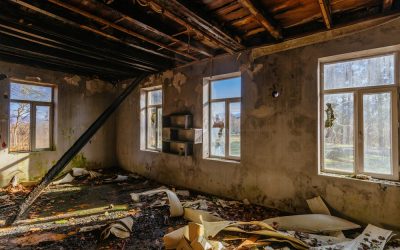
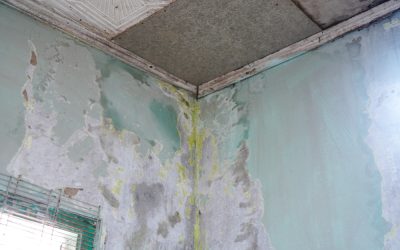
Mold thrives in damp, warm environments and can easily grow in homes where there is water damage, high humidity, or poor ventilation. Common causes of mold include leaky roofs, flooding, and even condensation from poorly insulated windows. Once mold spores find a suitable environment, they can quickly spread, covering walls, ceilings, and floors. Bathrooms, basements, and attics are particularly vulnerable to mold growth due to their frequent exposure to moisture. Recognizing the causes of mold in these areas can help homeowners take preventive measures. However, once mold has taken root, professional remediation is essential to thoroughly eradicate it and prevent future outbreaks.
The Health Risks of Mold Exposure
Exposure to mold can have a range of health effects, depending on the type of mold and the individual’s sensitivity. Common symptoms include nasal congestion, eye irritation, skin rashes, and persistent cough. For individuals with respiratory conditions or weakened immune systems, mold exposure can exacerbate symptoms and lead to severe complications. Long-term exposure to mold can be particularly harmful, leading to chronic respiratory issues, fatigue, and even neurological symptoms. This makes professional mold remediation a necessity in homes with extensive mold growth. Proper remediation can remove mold safely, reducing the risk of exposure and improving indoor air quality.
Why DIY Mold Removal Isn’t Effective
Many homeowners attempt to remove mold on their own using household cleaning products, but these methods are often ineffective for severe mold infestations. Surface cleaning may remove visible mold but doesn’t address mold spores hidden within walls, insulation, or flooring. Incomplete removal allows mold to regrow, causing ongoing issues. Professional remediation teams have specialized equipment and techniques to safely remove mold, even from hard-to-reach areas. Their expertise ensures that all mold is eradicated, preventing regrowth and ensuring the home is safe for residents. Choosing a certified remediation team is essential for a thorough, long-lasting solution.
The Professional Mold Remediation Process Explained
The mold remediation process begins with an assessment of the affected areas to determine the extent of mold growth and identify the type of mold present. This step is crucial because different types of mold require different removal techniques. Once the assessment is complete, containment measures are implemented to prevent mold spores from spreading. Remediation teams use specialized equipment like HEPA vacuums, air scrubbers, and industrial-strength cleaning solutions to remove mold from surfaces. They also take measures to address the underlying moisture issue, ensuring that the environment is no longer conducive to mold growth. This comprehensive approach makes professional remediation far more effective than DIY attempts.
Preventing Mold Growth Post-Remediation
Once mold has been removed, it’s important to take preventive measures to avoid recurrence. Maintaining proper ventilation, fixing leaks promptly, and using dehumidifiers can reduce moisture levels in the home, creating an environment where mold cannot thrive. Routine inspections can also help detect potential problem areas before mold becomes an issue. Professional mold remediation teams can provide advice on maintaining a mold-free environment. They may recommend steps to improve ventilation in basements or attics, install moisture barriers, or suggest home upgrades that reduce humidity levels. These preventive actions are key to maintaining a safe, healthy living space.
Recognizing When to Call for Professional Help
Homeowners should contact a professional mold remediation service if they notice a persistent musty smell, visible mold growth, or symptoms of mold exposure. Mold that covers a large area, penetrates drywall, or is located in HVAC systems should not be handled by homeowners. Professional remediation ensures that all mold is safely and completely removed. Ignoring mold or attempting to handle severe cases alone can lead to health risks and increased costs down the line. A professional inspection provides peace of mind and an effective solution to what could otherwise be a persistent, costly problem. When in doubt, calling for expert help is always the best choice.