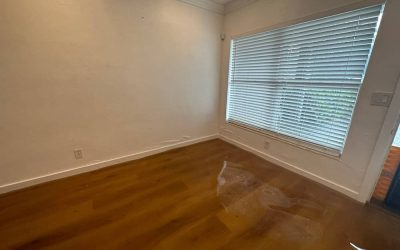
Clean Water Damage
Clean water damage is often the least harmful, originating from sources like broken water lines, overflowing sinks, or appliance malfunctions. Although it doesn’t contain harmful contaminants initially, untreated clean water damage can lead to mold growth and structural issues if ignored. This type of damage requires immediate attention to prevent further deterioration. The impact of clean water damage can vary depending on how quickly you address it. When left untreated, it can seep into porous materials such as wood, drywall, and carpeting, increasing the potential for rot and mold growth. Professionals recommend quick drying and disinfection to mitigate any long-term effects on your home.
Gray Water Damage
Gray water damage refers to water that is slightly contaminated, often from sources such as washing machines, dishwashers, or toilet overflows without solid waste. This water may contain chemicals, detergents, or biological contaminants, posing a moderate health risk. Immediate action is necessary to avoid potential exposure to pathogens or bacteria. Gray water can seep into carpets, walls, and floors, causing structural and aesthetic damage over time. Proper disposal and cleaning by professionals are recommended to ensure that all contaminants are eradicated and to prevent the area from becoming a breeding ground for mold and bacteria. Left untreated, gray water damage can quickly escalate to black water contamination.
Black Water Damage
Black water damage is the most hazardous type of water damage, typically resulting from sewage backups, floodwaters, or natural disasters. This water contains high levels of harmful contaminants, including bacteria, chemicals, and even human waste, posing severe health risks. Immediate professional remediation is essential for black water damage to protect both your home and health. Black water can cause extensive damage to flooring, walls, and furniture, often requiring complete replacement of affected materials. This type of contamination calls for specialized equipment and protective measures, as exposure can lead to infections and severe illnesses. Ensuring proper cleanup is essential to making your home safe and habitable again.
Common Causes of Water Damage
Understanding the causes of water damage can help homeowners take preventive steps to protect their property. Some of the most common sources include plumbing leaks, roof damage, appliance malfunctions, and weather-related flooding. Each cause poses unique challenges for restoration and has varying levels of impact on your home. Addressing these causes quickly is crucial in mitigating damage. Regular maintenance checks, such as inspecting plumbing systems, roofing, and gutters, can prevent minor issues from turning into major problems. By being proactive, homeowners can reduce their risk of costly repairs and avoid the complications associated with water damage.
The Hidden Dangers of Mold Growth
Water damage often leads to mold growth if left untreated. Mold thrives in damp environments and can spread rapidly, posing significant health risks and structural issues. Mold can cause respiratory problems, allergies, and even more serious health conditions, especially in vulnerable individuals like children and the elderly. Professional mold remediation is necessary to fully eliminate mold colonies, as DIY methods often fall short. Mold can grow inside walls, under floors, and in other hidden areas, making it difficult to detect and remove without expert intervention. Regular inspections and quick response to water damage are essential in preventing mold infestations.
The Importance of Quick Response in Water Damage Restoration
Time is of the essence when dealing with water damage. The longer water sits, the more damage it can cause to your home’s structure and indoor environment. Quick response can mean the difference between a minor cleanup and extensive repairs, particularly when dealing with gray or black water damage. Water restoration professionals use specialized tools to extract water, dry affected areas, and sanitize the environment. Acting quickly can reduce costs, prevent additional damage, and restore your home to its pre-damage state faster. Understanding the urgency of water damage helps homeowners take prompt action and minimizes the potential for long-term issues.