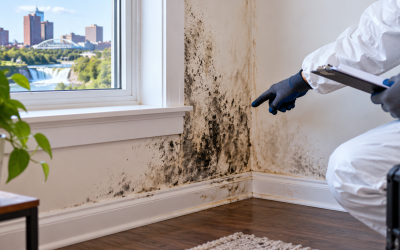
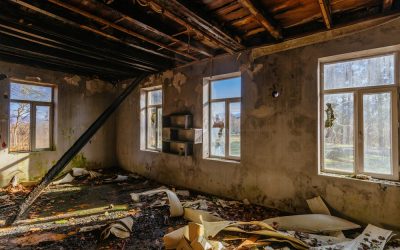
You noticed a musty smell in the basement. Maybe there’s a dark patch creeping along the bathroom wall, or your contractor pulled back some drywall and found something you didn’t want to see. Whatever brought you here, you’re probably wondering: what actually happens when you call in professional mold removal services?
It’s a fair question and one most homeowners don’t think about until they’re standing in the middle of it. This guide breaks down the process clearly, so you know exactly what to expect before, during, and after remediation.
Why Professional Mold Removal Services Matter?
Bleach and a sponge won’t cut it when mold has spread into walls, insulation, or subfloor materials. Surface cleaning only addresses what you can see. Mold colonies root into porous materials, and without proper containment and treatment, spores can spread to unaffected areas making the problem significantly worse.
That’s why certified remediation professionals follow a structured process. It’s not just about removing visible growth; it’s about restoring your home to a safe, livable condition.
The Professional Mold Removal Process: Step by Step
- Initial Inspection and Mold Assessment
Before anything gets removed, a certified inspector evaluates the affected areas. This typically involves:
- Visual inspection of visible mold growth
- Moisture readings using thermal imaging or a moisture meter
- Air quality testing to detect hidden spore concentrations
- Identifying the moisture source that caused growth in the first place
This step is critical. Skipping it means treating symptoms, not causes.
- Containment Setup
Once the scope is clear, the crew seals off the affected areas to prevent cross-contamination. Expect to see:
- Plastic sheeting over doorways and vents
- Negative air pressure machines (air scrubbers) running continuously
- Crew members in full PPE respirators, gloves, and Tyvek suits
Your family and pets will need to stay out of the containment zone during this phase.
- Air Filtration
Industrial-grade HEPA air scrubbers run throughout the remediation to capture airborne mold spores. This isn’t optional it’s a non-negotiable part of the process that protects both the workers and the rest of your home.
- Mold Removal and Material Disposal
This is the core of the job. Depending on how deeply mold has penetrated:
- Non-porous surfaces (tile, glass, metal) are cleaned and treated with EPA-approved antimicrobial solutions
- Porous materials (drywall, insulation, carpet) are typically removed and disposed of in sealed bags
- Structural wood may be HEPA-vacuumed, sanded, and treated — or replaced if the damage is severe
Everything removed is double-bagged and disposed of per local regulations.
- Cleaning and Antimicrobial Treatment
After physical removal, all affected surfaces get treated with antimicrobial and antifungal agents. This kills residual spores and helps prevent regrowth. Some companies also apply an encapsulant coating on structural wood as an added layer of protection.
- Drying and Dehumidification
Since mold needs moisture to survive, the remediation team addresses the underlying humidity issue. Industrial dehumidifiers and air movers run for days sometimes longer until moisture levels return to safe ranges.
- Post-Remediation Verification
A reputable mold remediation company won’t just pack up and call it done. The final step involves:
- Visual clearance inspection
- Post-remediation air or surface testing
- A clearance report confirming mold levels are back within normal limits
This documentation matters, especially if you’re selling the home or filing an insurance claim.
How Long Does Mold Remediation Take?
Most residential professional mold removal process take 1 to 5 days, depending on the extent of the damage. A small bathroom job might wrap up in a day. A basement or crawl space with significant structural involvement could run longer. Your remediation team should give you a realistic timeline after the initial assessment.
Will Mold Come Back After Remediation?
It can if the moisture source isn’t fixed. Mold remediation without addressing the underlying cause (a leaking pipe, poor drainage, high indoor humidity) is a temporary fix at best. This is why a full inspection matters before work begins, and why any quality restoration company will flag moisture issues as part of their scope.
Ready to Get the Mold Out for Good?
Dealing with mold is stressful, but knowing what the process looks like makes it a lot less overwhelming. At Feels Like Home Restorations, we handle every step from the initial assessment to post-remediation verification so you’re never left guessing.
If you’ve spotted mold or suspect hidden growth in your Rochester, NY home, contact our team today for a prompt inspection. The sooner you act, the less damage there is to undo.
Frequently Asked Questions
1. Is it safe to stay in my home during mold remediation?
In most cases, you can stay in unaffected areas of the home. If the contamination is extensive or involves your HVAC system, your remediation team may recommend staying elsewhere temporarily.
2. Do I need to throw away furniture or belongings?
Not necessarily. Non-porous items can often be cleaned and treated. Porous materials like upholstered furniture may need to be discarded if heavily affected.
3. Does homeowners insurance cover mold removal?
It depends on the cause. Mold resulting from a covered peril (like a burst pipe) is often covered. Mold from long-term neglect or deferred maintenance typically isn't. Always check with your insurer before work begins.
4. How do I know the mold is actually gone?
Post-remediation testing by a third-party inspector is the most reliable way to confirm clearance. Ask your remediation company whether they provide this as part of their service.
5. What's the difference between mold removal and mold remediation?
"Mold removal" implies complete elimination, which isn't always possible mold spores exist naturally everywhere. "Remediation" means reducing mold levels back to safe, naturally occurring concentrations. Reputable companies use the term remediation for this reason.