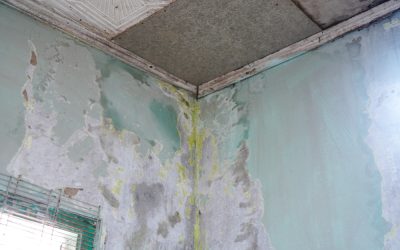
Mold problems can escalate quickly-especially in humid regions like Florida. What starts as a musty smell or a small spot on the wall can turn into a widespread issue affecting your home’s structure and indoor air quality. That’s why professional mold removal services are designed to do more than just clean visible growth-they address the root cause and prevent it from coming back.
If you’re considering mold remediation services, here’s a clear, step-by-step look at what to expect.
Step 1: Detailed Inspection and Assessment
Every effective mold removal process begins with a thorough inspection. A trained technician will examine your property to identify:
- Visible mold growth
- Moisture sources (leaks, humidity, water damage)
- Areas where mold may be hidden, such as behind walls or under flooring
In Florida, high humidity often accelerates mold growth, so identifying moisture issues early is critical. Some professionals may also recommend air or surface testing to determine the extent of contamination.
Step 2: Containment of Affected Areas
Once mold is confirmed, the next step is containment. This prevents spores from spreading to other parts of your home during the cleanup process.
Technicians typically use:
- Plastic sheeting to seal off affected areas
- Negative air pressure systems
- Physical barriers and controlled access zones
Containment is a key part of mold remediation services because mold spores can travel easily through air ducts and open spaces.
Step 3: Air Filtration and Purification
To improve indoor air quality, professionals use specialized filtration equipment. High-efficiency air scrubbers and HEPA filters capture airborne mold spores, dust, and contaminants.
This step helps:
- Reduce health risks
- Prevent cross-contamination
- Create a safer environment during the cleanup process
Clean air is especially important for households with children, elderly residents, or anyone with respiratory sensitivities.
Step 4: Mold Removal and Cleaning
Now comes the actual removal phase. Depending on the severity of the problem, this may involve:
- Cleaning and disinfecting surfaces
- Removing and safely disposing of contaminated materials (like drywall or insulation)
- Treating affected areas with antimicrobial solutions
It’s important to understand that mold removal services focus on eliminating mold colonies, while mold remediation services go further by restoring the area and addressing underlying causes.
Step 5: Drying and Moisture Control
Since mold thrives in damp environments, drying the area is essential. Professionals use industrial-grade dehumidifiers and drying equipment to remove excess moisture.
They may also:
- Repair leaks or water damage
- Improve ventilation
- Recommend humidity control solutions
In Florida homes, maintaining proper humidity levels is one of the most effective ways to prevent future mold growth.
Step 6: Restoration and Final Checks
The final step involves restoring your space to its original condition. This can include:
- Replacing drywall or flooring
- Repainting walls
- Ensuring all affected areas are fully cleaned and safe
Many companies also perform a final inspection to confirm that the mold issue has been properly resolved.
Why Professional Mold Remediation Matters
While DIY solutions might seem tempting, they often only address surface-level problems. Mold can grow behind walls, in HVAC systems, and in places you can’t easily reach. Without proper containment and moisture control, it’s likely to return.
Professional mold removal and remediation services provide:
- A complete and safe cleanup process
- Long-term prevention strategies
- Peace of mind knowing the problem is handled correctly
Final Thoughts
Mold is more than just an inconvenience-it’s a health and property concern that requires careful attention. By understanding the step-by-step process of professional mold removal services, you’ll be better prepared to act quickly and make informed decisions.
If you notice signs of mold in your home, don’t wait. Addressing the issue early with expert mold remediation services can save time, money, and stress in the long run.
Frequently Asked Questions
How long does professional mold removal take?
The duration depends on the severity of the mold problem. Small areas may take 1-2 days, while extensive contamination can take several days to a week.
Is mold removal covered by insurance?
It depends on the cause of the mold. If it results from a covered issue like sudden water damage, insurance may help. Gradual issues like humidity are usually not covered.
Can I stay in my home during mold remediation?
For minor cases, you may stay with proper containment. However, for larger infestations, temporary relocation is often recommended for safety.
What is the difference between mold removal and mold remediation?
Mold removal focuses on eliminating visible mold, while mold remediation includes identifying the cause, controlling moisture, and restoring the affected area.
How can I prevent mold from coming back?
Control moisture levels, fix leaks promptly, improve ventilation, and use dehumidifiers-especially in humid climates to prevent mold growth.