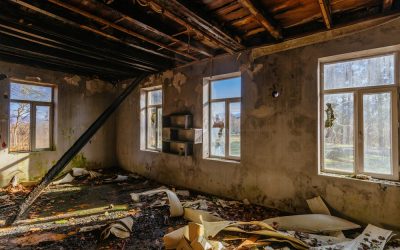
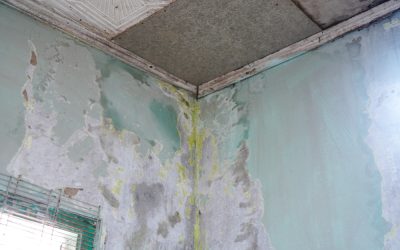
Water doesn’t wait. Whether it’s a burst pipe at 2 a.m., a flooded basement after heavy rain, or a slow leak behind the walls you didn’t notice for weeks – the damage compounds fast. And when water damage strikes, who you call matters.
Water damage restoration services aren’t just about drying out a wet floor. Done right, they protect your home’s structure, prevent long-term mold growth, and save you from far more expensive repairs down the road.
What Do Water Damage Restoration Services Actually Include?
A lot of homeowners assume restoration just means mopping up and running a few fans. In reality, professional water damage restoration is a multi-step process that goes much deeper literally.
Here’s what a qualified restoration company typically handles:
- Emergency water extraction – Removing standing water quickly using industrial-grade pumps and wet vacuums
- Structural drying – Using commercial dehumidifiers and air movers to dry walls, subfloors, and framing
- Moisture mapping – Identifying hidden moisture pockets with thermal imaging and moisture meters before they become a mold problem
- Content protection – Safely moving and storing belongings affected by water
- Mold prevention and remediation – Treating affected areas and, when necessary, full mold remediation to restore safe indoor air quality
- Restoration and repair – Rebuilding damaged drywall, flooring, and insulation once the structure is fully dry
Skipping any step in this process is where most DIY approaches go wrong. You might dry the surface while trapping moisture inside the wall cavity – which is exactly how mold gets a foothold.
Why Mold Remediation Goes Hand in Hand with Water Damage
If you’ve experienced water damage, mold remediation is often the next concern – and rightfully so. Mold can begin developing within 24 to 48 hours of water exposure, according to EPA mold guidelines, especially in humid or poorly ventilated spaces.
Mold remediation in Rochester and similar climates is particularly important because seasonal moisture fluctuations create ideal conditions for mold growth in basements, crawl spaces, and attics.
Professional mold remediation involves:
- Containment of the affected area to prevent spore spread
- Air filtration using HEPA equipment
- Removal of mold-infested materials (drywall, insulation, etc.)
- Application of antimicrobial treatments
- Clearance testing to confirm the space is safe
Trying to handle active mold growth without proper containment and protective equipment can spread spores throughout your home – making a localized problem a whole-house one.
How to Choose the Right Restoration Company
Not all restoration companies are the same. When water damage hits, here’s what to look for:
- 24/7 emergency availability – Water doesn’t wait for business hours
- Certified technicians – Look for IICRC (Institute of Inspection, Cleaning and Restoration Certification) credentials
- Documented drying process – A professional team tracks moisture levels daily and adjusts equipment accordingly
- Insurance claim experience – A good restoration company will work directly with your insurance adjuster
- Transparent communication – You should always know what’s happening in your home and why
Don’t Wait Until the Damage Gets Worse
Water damage is one of those problems where waiting – even just a day or two – dramatically increases both the cost and complexity of the fix. If your home has experienced flooding, a leak, or any kind of water intrusion, getting a professional assessment early is always the smarter move.
FLH Restorations is ready to help homeowners recover quickly, safely, and thoroughly – from initial water extraction through complete mold remediation and structural restoration.
Frequently Asked Questions
How quickly should I call a water damage restoration service after a flood or leak?
As soon as possible - ideally within the first hour. The longer water sits, the more it penetrates porous materials like drywall, hardwood, and insulation. Mold risk increases significantly after 24-48 hours.
Does homeowner's insurance cover water damage restoration?
It depends on the cause. Sudden, accidental damage (like a burst pipe) is typically covered. Damage from long-term leaks or flooding may not be, depending on your policy. A restoration professional can help you document the damage for your claim.
What's the difference between water mitigation and water restoration?
Mitigation refers to stopping the damage from getting worse - extracting water, drying the structure. Restoration refers to the repair phase: replacing damaged materials and returning the space to its pre-loss condition. Most professional companies handle both.
How long does the drying process take?
Typically 3-5 days for standard water damage, though it varies depending on the extent of saturation, materials affected, and environmental conditions. Certified technicians monitor moisture readings daily to determine when drying is complete.
Is mold remediation covered by insurance?
Often yes, if it resulted from a covered water damage event. However, mold from long-term neglect or maintenance issues is typically excluded. Document everything and consult your insurer early in the process.